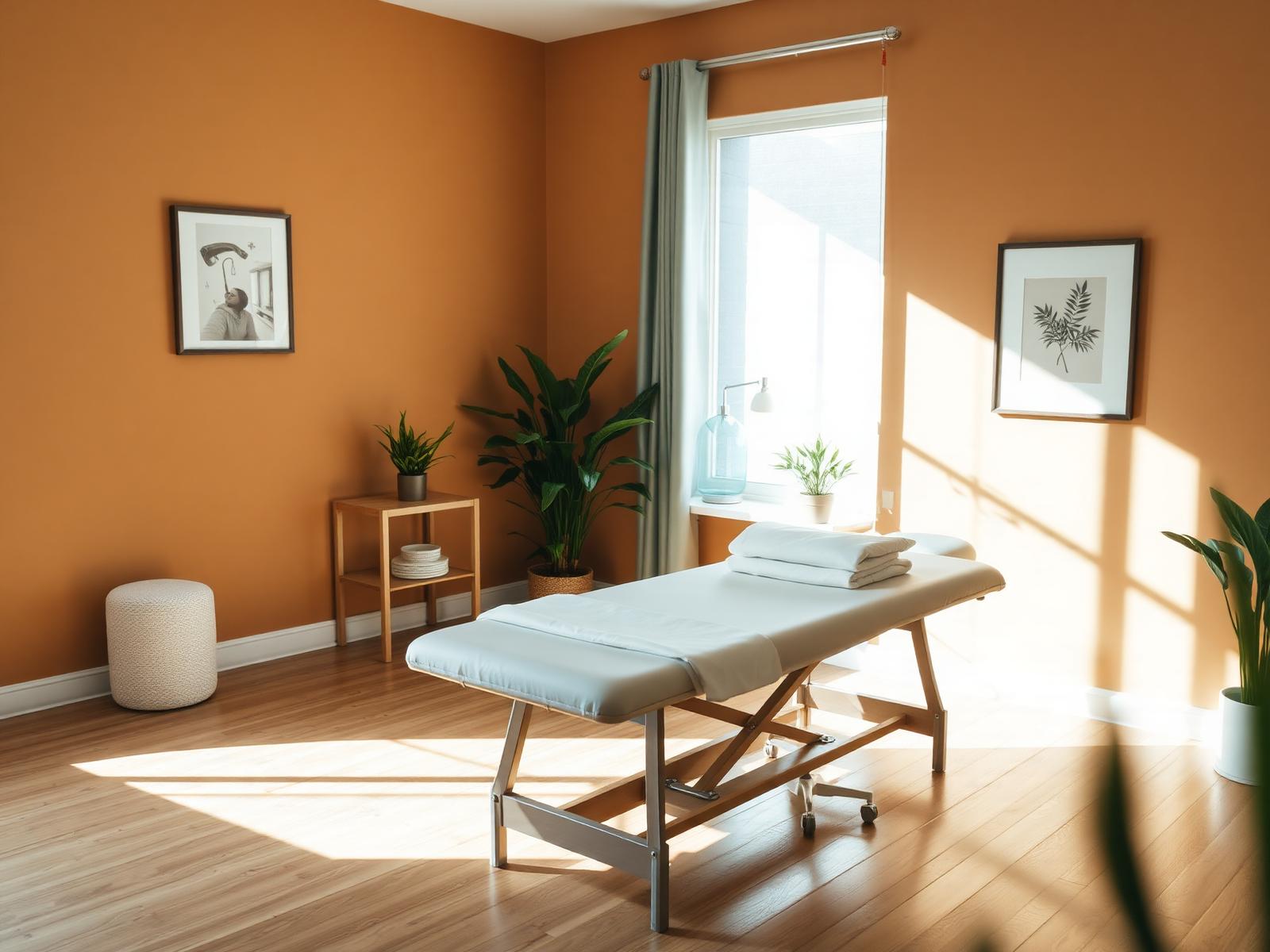
Both are university-qualified, evidence-based professions. Physio tends to be exercise- and rehab-led, often within a hospital or sports setting. Osteopathy leans more heavily on hands-on manual therapy and takes a whole-body view looking at how tension in one region drives pain elsewhere. Many patients see both, and the two work well together.
Let us Help You Live Life
Osteopathy the ultimate hands on care
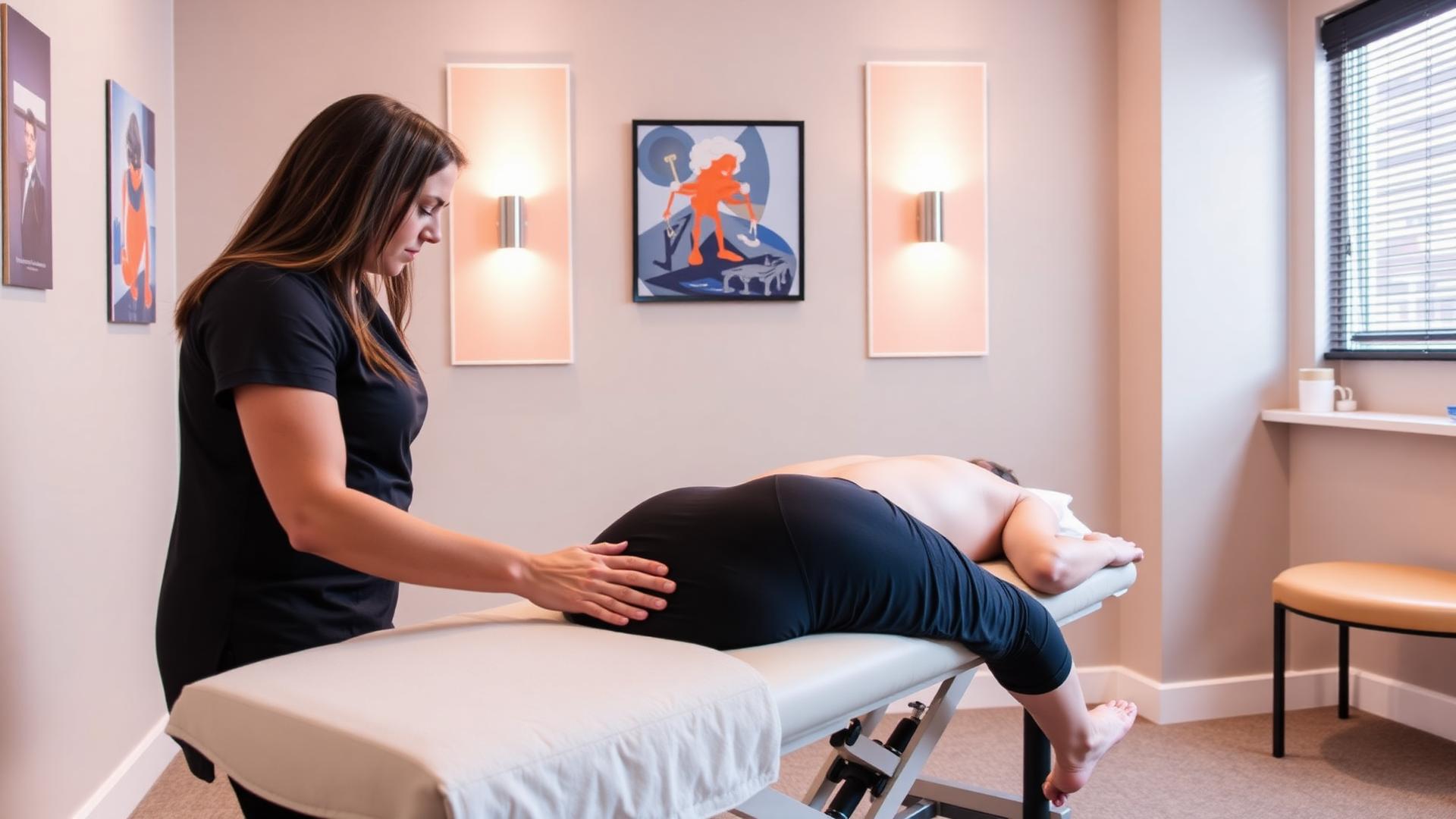
Osteopathy is a hands-on, drug-free form of manual healthcare. Osteopaths are government-registered allied health professionals trained over five years of university study.
We look at the whole musculoskeletal system bones, joints, muscles, ligaments, nerves and fascia because a problem in one area rarely stays there. Great treatment addresses the cause, not just the symptom.
Common conditions we treat
What we help with.
A few of the most common presentations we see in clinic. Tap any condition to read a full guide on causes, treatment and recovery.
Techniques we use
A wide toolkit, tailored to you.
No two bodies present the same. Depending on your assessment we might use one of these approaches or blend several within a session.
- 01
Counterstrain
A gentle, passive positional-release technique. We locate tender points and hold the body in a position of ease for ~90 seconds, letting the nervous system quiet the muscle down. Excellent for acute pain, sensitive patients and post-injury flare-ups.
Read full article on Counterstrain → - 02
Myofascial release
Sustained, low-load pressure applied to restricted connective tissue. We work with (never against) the tissue to restore glide between layers, reduce pull on joints and unlock long-held tension patterns.
Read full article on Myofascial release → - 03
Dry needling
Thin, sterile filament needles inserted into trigger points to switch off overactive muscle bands. Effective for stubborn knots, referred pain, and speeding up recovery in sports injuries. Always with clear consent and explanation.
Read full article on Dry needling → - 04
Cupping
Decompression therapy using suction cups to lift the fascia and increase local blood flow. Particularly useful for tight backs, shoulders and IT bands. We use both static and sliding cup techniques.
Read full article on Cupping → - 05
Exercise rehabilitation
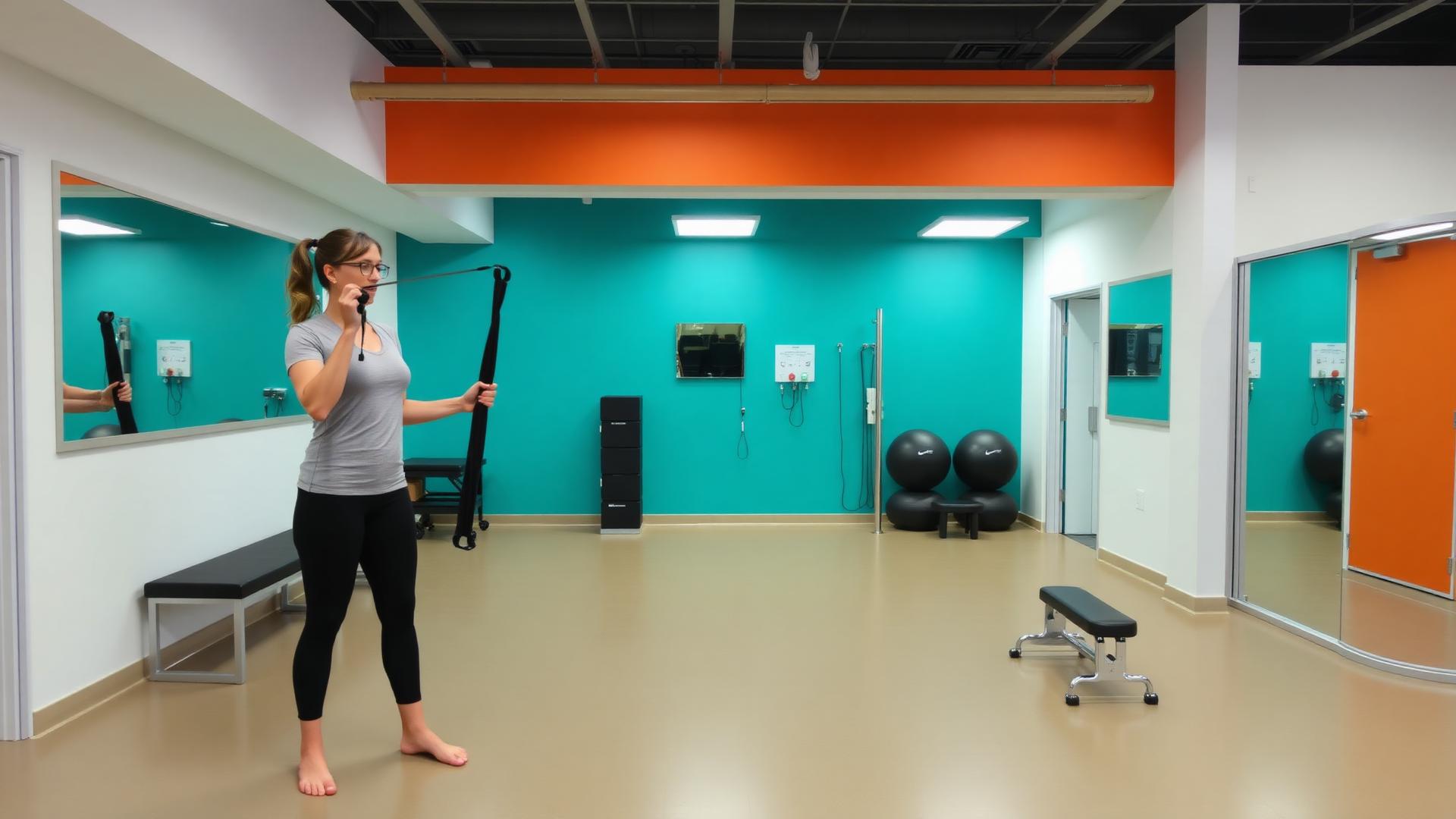
Every treatment finishes with 2–3 targeted exercises not a generic worksheet. We progress your program week to week so gains stick long after treatment ends.
Read full article on Exercise rehabilitation → - 06
Position release
A subtle, comfortable release method that shortens a strained muscle or joint into its most relaxed position. By reducing tension on sensitive tissues, it calms pain signals and restores normal resting tone.
Read full article on Position release → - 07
Cranial sacral
A gentle, hands-on approach that works with the subtle rhythms of the central nervous system. Using light pressure around the skull, spine and sacrum, it helps release tension, settle the nervous system and support whole-body balance.
Read full article on Cranial sacral → - 08
Lymphatic drainage
Very light, rhythmic strokes that encourage lymph flow and reduce swelling. Often used after injury, surgery or when fluid retention is contributing to stiffness and discomfort.
Read full article on Lymphatic drainage → - 09
Joint mobilisation
Slow, controlled movements applied to a stiff joint to restore range of motion, reduce pain and improve function. We grade the force to match the joint and your comfort level.
Read full article on Joint mobilisation →
Common questions
How does osteopathy compare?
Chiropractic care is best known for high-velocity spinal adjustments. Osteopathy uses a much wider toolkit soft-tissue work, joint mobilisation, stretching, needling, exercise and only uses higher-velocity techniques when clinically appropriate and consented. Our style is generally gentler and more varied.
Not sure which technique is right?
That's what your first appointment is for. We'll assess, explain your options and agree on a plan before treatment starts.


