


Myofascial Release: Questions About Osteopathic Soft Tissue Care
Patient questions about soft tissue osteopathy, comfort, activity and the limits of myofascial release.
Explore myofascial release and our osteopathy toolkit →What is myofascial release?
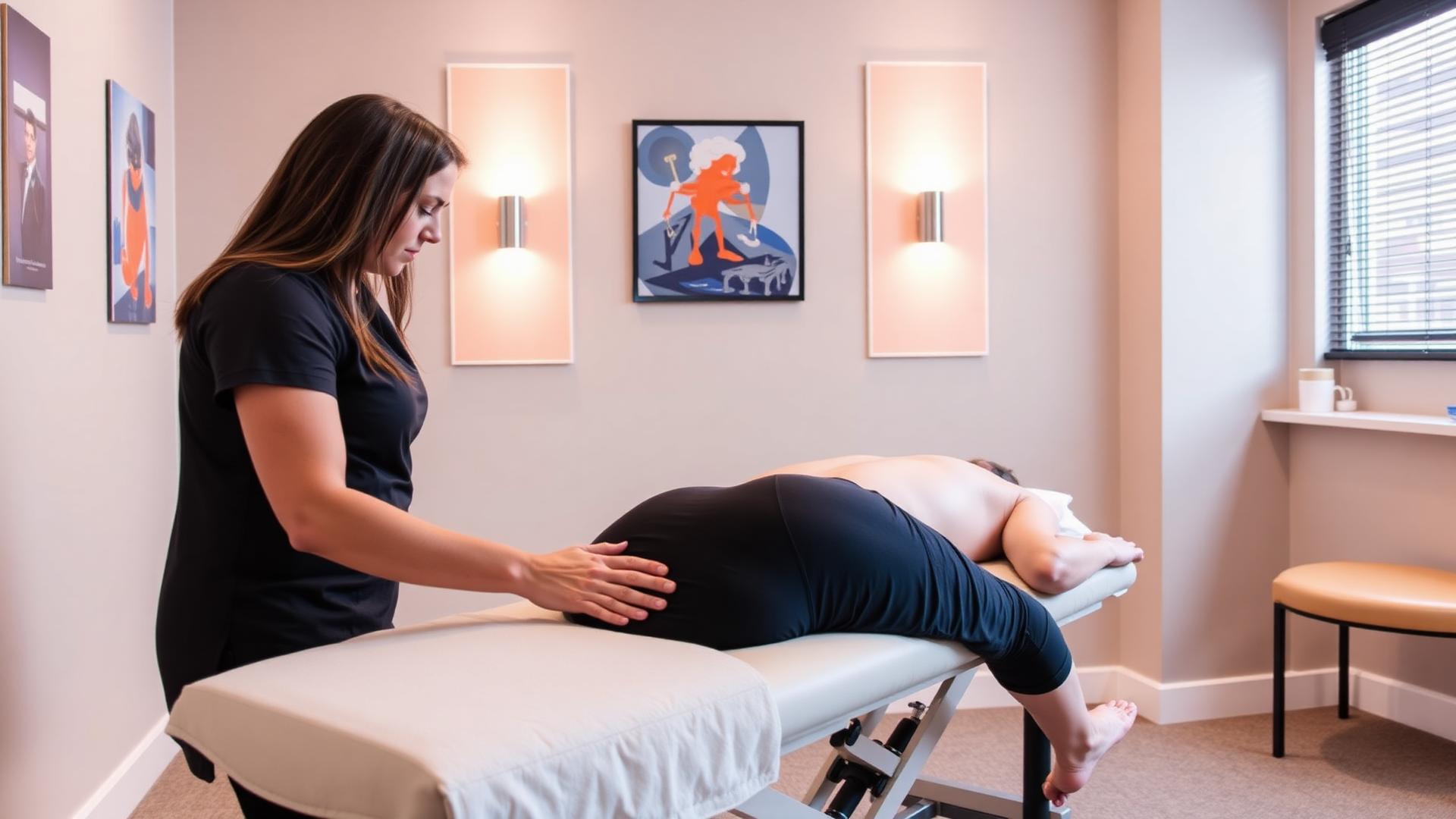
Myofascial release describes hands-on pressure and stretching applied to muscles and surrounding connective tissue. Techniques and pressure vary between practitioners. Your osteopath may consider it for muscle tenderness or stiffness after assessing your symptoms. You can request lighter contact, change position or decline a technique without affecting your access to other care. At Osteopath Mitcham within Lifestyle Essentials, we use your assessment to discuss suitable osteopathic care and the next steps.
Does tight fascia explain all my pain?
No. Pain can involve joints, muscles, nerves, sleep, stress and other health conditions. Feeling tight does not establish that fascia is dehydrated, stuck or pulling your body out of alignment. An assessment should consider several possible explanations rather than treating a single tissue theory as a diagnosis.
What benefits and limitations should I expect?
Some people report short-term comfort or easier movement after soft tissue work. Evidence differs by condition, and the technique is not proven to permanently release scars or correct structural alignment. It should support meaningful activity goals, not replace exercise, appropriate medical care or investigation when symptoms suggest another problem.
Should I stretch or use a foam roller?
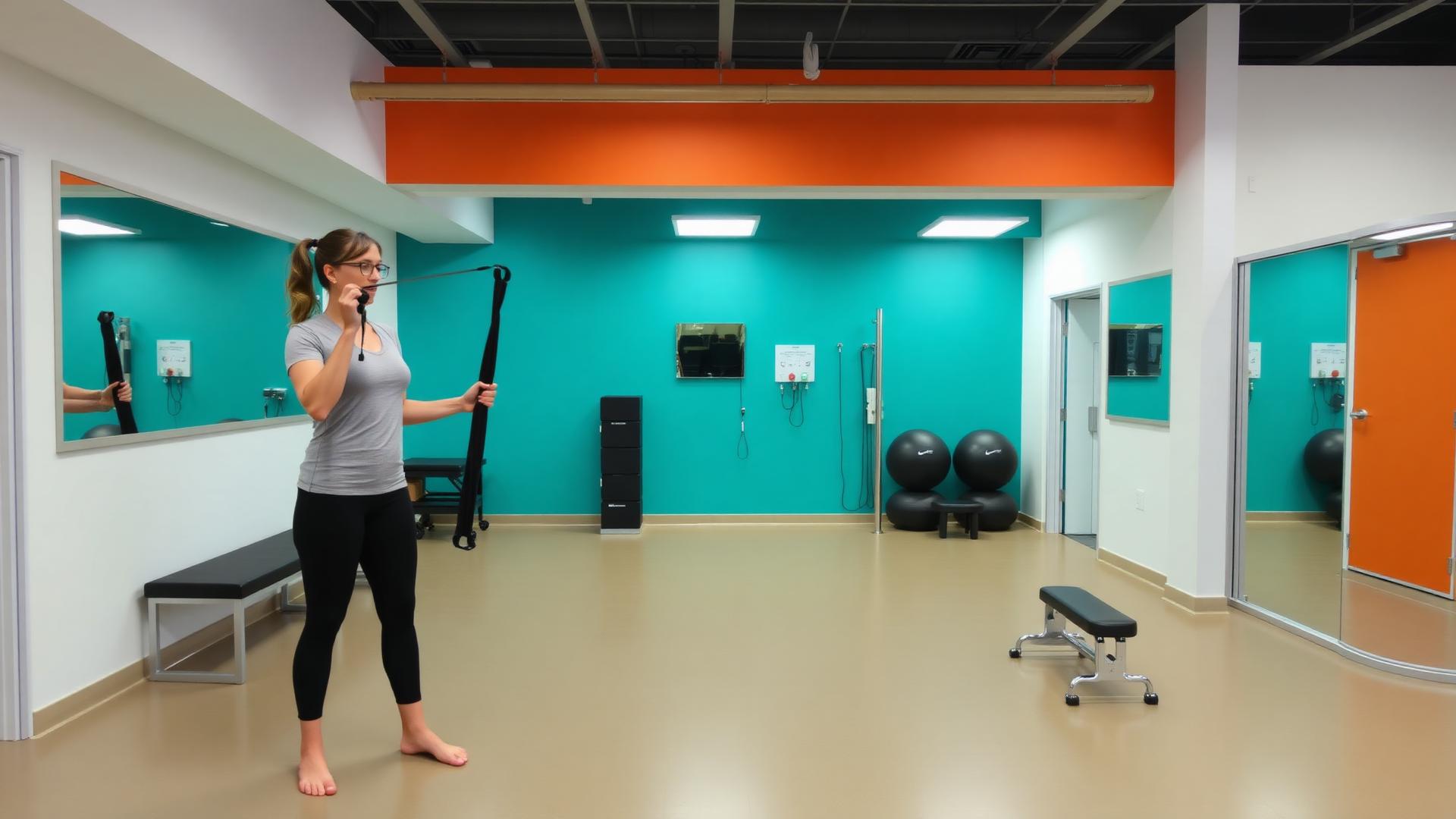
Try gentle movement within a comfortable range and take breaks from prolonged positions. Foam rolling is optional, not essential. Avoid strong pressure over bruises, recent wounds or areas with reduced sensation. Ask for personalised advice if you take blood-thinning medicine, have fragile skin or are recovering from surgery.
How do I know if it is helping?
Track an activity that matters, such as walking, reaching or tolerating desk work. Brief relaxation alone may not justify ongoing appointments. If discomfort repeatedly returns, discuss activity progression, strength work and other contributors. Tell your osteopath about prolonged soreness so the approach can be modified or stopped.
Book an osteopathic assessment
Our Mitcham osteopaths can talk you through your own presentation and build a plan tailored to you.
Explore myofascial release and our osteopathy toolkit →