
FAQ
Osteopathy questions, answered.
Everything you might want to know about osteopathy, what we treat and what to expect at Lifestyle Essentials Mitcham.
01
What is an osteopath?
+An osteopath is a university-qualified allied health professional trained to diagnose, treat and manage conditions affecting the muscles, joints, ligaments, tendons and nervous system. Osteopaths use hands-on treatment, movement assessment and exercise rehabilitation to reduce pain, improve movement and help prevent future injuries.
02
What is osteopathy?
+Osteopathy is a form of healthcare that focuses on how the body's muscles, joints, nerves and connective tissues work together. Osteopathic treatment aims to reduce pain, restore movement and improve overall function by addressing the underlying cause of your symptoms rather than simply treating the pain.
03
How does osteopathic treatment work?
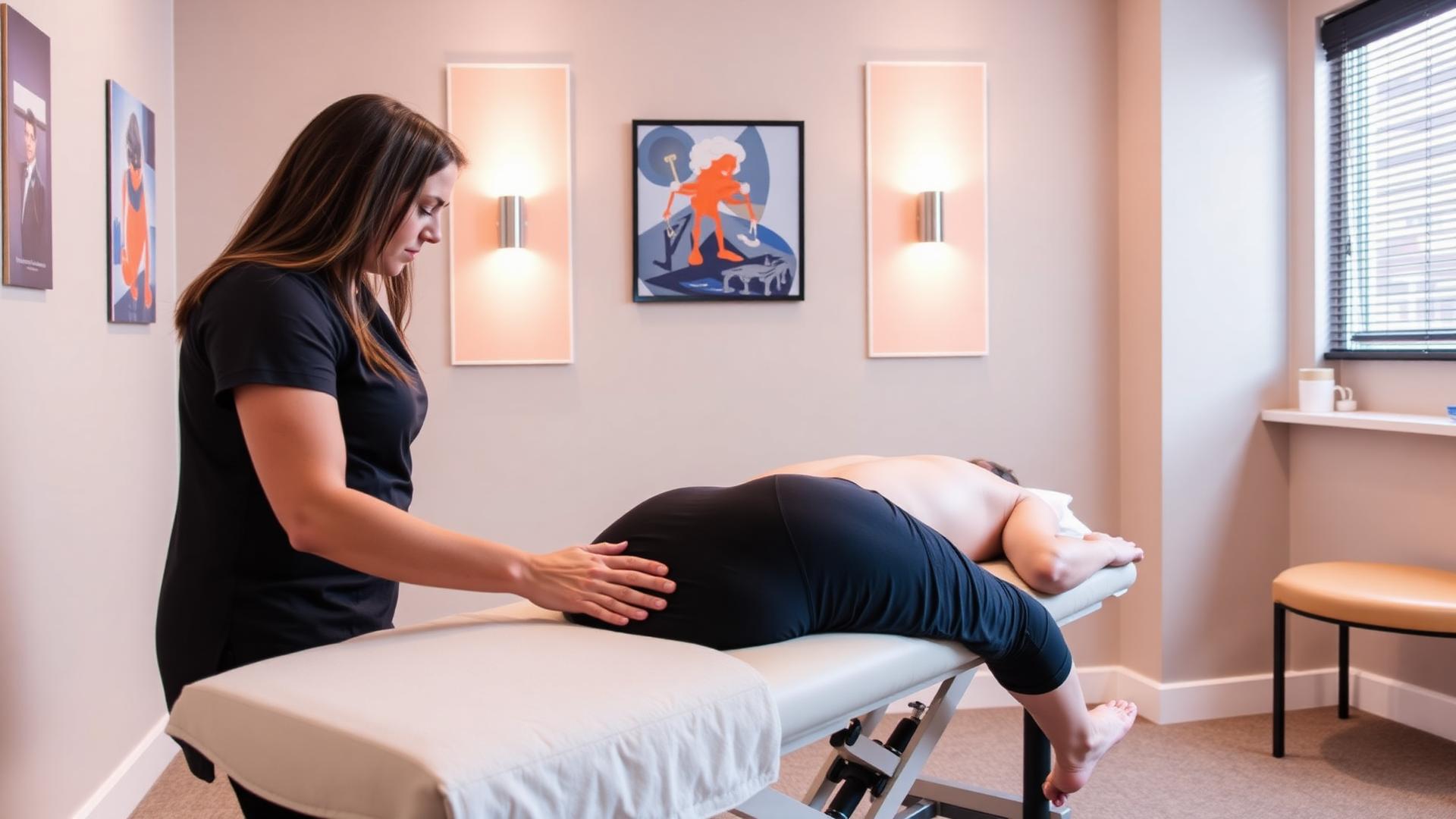
+Osteopathic treatment combines a detailed assessment, hands-on manual therapy and personalised rehabilitation exercises. This three-stage approach helps reduce pain, improve mobility and strengthen your body to reduce the likelihood of the problem returning.
04
What conditions can an osteopath treat?
+Osteopaths commonly treat: back pain, neck pain, shoulder pain, hip pain, knee pain, sciatica, headaches, migraines, tennis elbow, golfer's elbow, plantar fasciitis, sports injuries, arthritis, muscle strains and joint stiffness.
05
Do I need a referral to see an osteopath?
+No. In Australia you do not need a doctor's referral to see an osteopath. You can book directly for an assessment and begin treatment immediately.
06
What happens during my first osteopathy appointment?
+Your osteopath will discuss your medical history, assess your movement, posture and strength, identify the cause of your symptoms and develop a personalised treatment plan before beginning treatment where appropriate.
07
Is osteopathic treatment painful?
+Most osteopathic treatment is gentle and comfortable. Some techniques may create temporary discomfort, particularly if tissues are inflamed, but your osteopath will always tailor treatment to your comfort level.
08
How many osteopathy treatments will I need?
+The number of treatments depends on your condition, how long you've had it and your goals. Acute injuries may improve within a few visits, while chronic conditions usually require treatment combined with rehabilitation exercises.
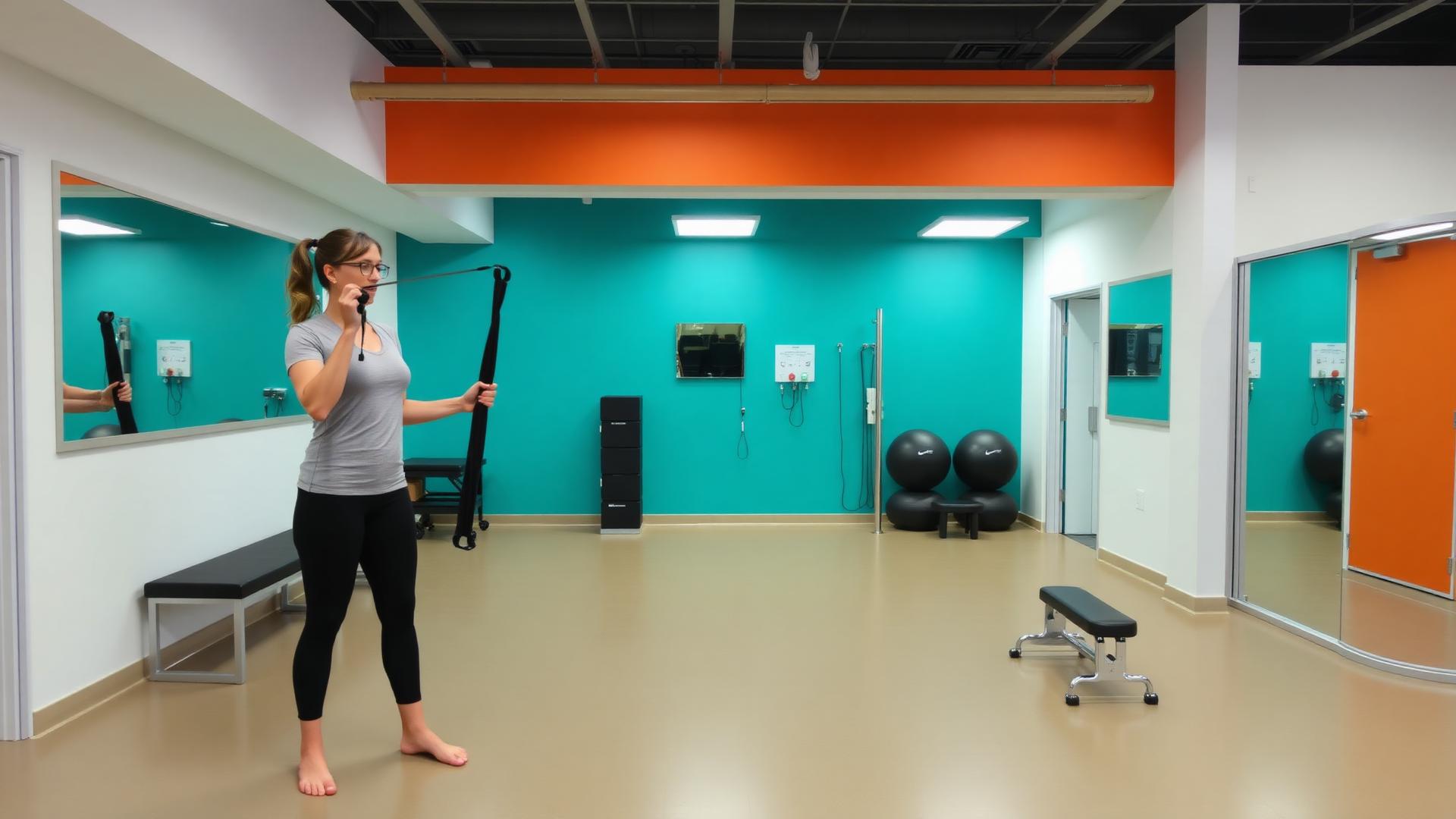
09
Can osteopathy help chronic pain?
+Yes. Osteopathic treatment can help many people living with chronic pain by improving movement, reducing muscle tension, increasing joint mobility and teaching strategies that improve long-term function.
10
Can an osteopath help lower back pain?
+Yes. Lower back pain is one of the most common reasons people visit an osteopath. Treatment may include joint mobilisation, soft tissue therapy, movement correction and strengthening exercises.
11
Can osteopathy help neck pain?
+Yes. Osteopaths commonly treat neck pain caused by poor posture, arthritis, muscle tension, work-related strain and sporting injuries.
12
Can an osteopath treat headaches?
+Many headaches originate from the neck. Osteopathic treatment can improve neck mobility, reduce muscle tension and relieve headaches caused by cervical dysfunction.
13
Can osteopathy help migraines?
+While migraines have many causes, osteopathic treatment may reduce the frequency or intensity of migraines where neck dysfunction or muscular tension contributes to symptoms.
14
Can osteopathy help sciatica?
+Yes. Osteopathic treatment can reduce pressure on irritated nerves, improve spinal movement and strengthen surrounding muscles to reduce recurring sciatic pain.
15
Can an osteopath help shoulder pain?
+Yes. Osteopaths regularly treat frozen shoulder, shoulder impingement, rotator cuff injuries and general shoulder stiffness using manual therapy and rehabilitation.
16
Can osteopathy treat knee pain?
+Yes. Osteopathic treatment focuses on improving knee movement while strengthening the muscles around the hip, knee and ankle that support healthy joint function.
17
Can an osteopath help arthritis?
+Yes. While osteopathy cannot reverse arthritis, treatment can reduce pain, improve mobility and help maintain independence through exercise and movement.
18
Can osteopathy help hip pain?
+Hip pain often improves through osteopathic treatment aimed at improving joint mobility, reducing muscle tightness and strengthening surrounding muscles.
19
Can osteopathy treat sports injuries?
+Yes. Osteopaths assess how your body moves, treat injured tissues and prescribe rehabilitation exercises to help you recover safely.
20
Can osteopathy help older adults?
+Absolutely. Osteopathy is an excellent treatment option for older adults wanting to reduce pain, improve balance, increase mobility and remain independent.
21
Is osteopathy safe?
+Yes. Osteopathy is considered a safe and evidence-informed healthcare profession when provided by a registered osteopath.
22
Is osteopathy covered by private health insurance?
+Most Australian private health funds provide rebates for osteopathic treatment if your extras cover includes osteopathy.
23
Can I claim osteopathy through Medicare?
+Some patients may be eligible through a GP Management Plan (formerly EPC or Chronic Disease Management Plan). Speak with your GP to determine eligibility.
24
What should I wear to my osteopathy appointment?
+Wear comfortable clothing that allows you to move easily. Shorts and a T-shirt are ideal.
25
Do osteopaths crack joints?
+Sometimes. Joint manipulation is only one of many techniques an osteopath may use and is never essential for successful treatment.
26
What is manual therapy?
+Manual therapy involves hands-on techniques used by an osteopath to improve joint movement, reduce muscle tension and relieve pain.
27
What is osteopathic rehabilitation?
+Osteopathic rehabilitation combines strengthening, mobility and balance exercises designed specifically for your injury or condition.
28
Why do osteopaths prescribe exercises?
+Exercise is one of the most effective ways to achieve long-term recovery and prevent pain from returning.
29
Can osteopathy improve posture?
+Yes. Osteopaths assess posture, movement patterns and muscle imbalances before providing treatment and corrective exercises.
30
Does osteopathy help prevent injuries?
+Yes. Improving strength, flexibility and movement reduces unnecessary stress on joints and muscles.
31
Can an osteopath help with balance problems?
+Yes. Osteopaths often prescribe balance exercises alongside treatment, particularly for adults over 50.
32
What makes osteopathy different from massage?
+Massage mainly treats muscles. Osteopathy assesses muscles, joints, nerves, movement patterns and biomechanics before developing a complete treatment plan.
33
What makes osteopathy different from physiotherapy?
+Both professions treat musculoskeletal conditions. Osteopaths typically place a strong emphasis on whole-body assessment, manual therapy and understanding how different body regions influence each other, alongside exercise rehabilitation.
34
Can osteopathy help after surgery?
+Yes. Osteopathic treatment and rehabilitation can assist recovery after procedures such as joint replacements, spinal surgery and shoulder surgery once cleared by your surgeon.
35
Can osteopathy help desk workers?
+Yes. Poor posture, prolonged sitting and repetitive work commonly lead to neck, shoulder and back pain that responds well to osteopathic treatment.
36
Can osteopathy help golfers?
+Yes. Golf places repetitive stress on the spine, hips and shoulders. Osteopaths help improve mobility and reduce injury risk.
37
Can osteopathy help runners?
+Yes. Osteopaths treat many running injuries including shin splints, Achilles tendinopathy, plantar fasciitis and knee pain.
38
Can osteopathy help pregnancy-related pain?
+Many osteopaths provide treatment during pregnancy to help manage pelvic pain, lower back pain and postural changes using gentle techniques.
39
How long does an osteopathy appointment take?
+Initial appointments are usually 45–60 minutes, while follow-up consultations generally last around 30 minutes.
40
Will I receive exercises to do at home?
+Yes. Home exercises are an important part of osteopathic treatment and help improve long-term outcomes.
41
What is the goal of osteopathic treatment?
+The goal is to reduce pain, restore movement, improve function and help you return to doing the activities you enjoy.
42
Why is movement important for recovery?
+Movement improves circulation, lubricates joints, strengthens muscles and helps tissues heal more effectively.
43
Can osteopathy help prevent surgery?
+Not every condition requires surgery. Osteopathic treatment and rehabilitation may help many people manage pain and improve function, although some conditions still require surgical care.
44
Why does my pain keep returning?
+Recurring pain often happens because the underlying cause — such as weakness, poor movement patterns or reduced mobility — has not been fully addressed.
45
Why is strengthening important after osteopathic treatment?
+Strong muscles better support joints, reduce stress on injured tissues and decrease the likelihood of future pain.
46
Can osteopathy help people over 50?
+Absolutely. Osteopathy combined with strength training is particularly effective for maintaining mobility, reducing pain and improving quality of life as we age.
47
How soon will I feel better after osteopathic treatment?
+Many people notice improvements within one to three treatments, although chronic conditions often take longer and benefit from rehabilitation.
48
What should I do after my osteopathy appointment?
+Stay active, complete your prescribed exercises, stay hydrated and follow your osteopath's advice to maximise recovery.
49
Why choose Lifestyle Essentials for osteopathy?
+At Lifestyle Essentials, we use a structured three-stage recovery process: comprehensive assessment, hands-on osteopathic treatment, and exercise rehabilitation. This approach helps identify the underlying cause of your pain, relieve symptoms and build the strength needed for long-term recovery.
50
How do I book an osteopathy appointment?
+Booking is simple. Contact Lifestyle Essentials by phone or book online to arrange your comprehensive osteopathic assessment. We'll develop a personalised treatment plan to help you move better, reduce pain and get back to living life.
Still have a question?
Book online in under a minute — or call the clinic and we'll happily talk through whether osteopathy is right for you.