


Dry Needling in Osteopathy: Benefits, Risks and Patient Questions
What to ask before dry needling: consent, possible short-term benefits, risks and alternatives within osteopathy.
Explore dry needling in osteopathy and our osteopathy toolkit →What is dry needling used for?
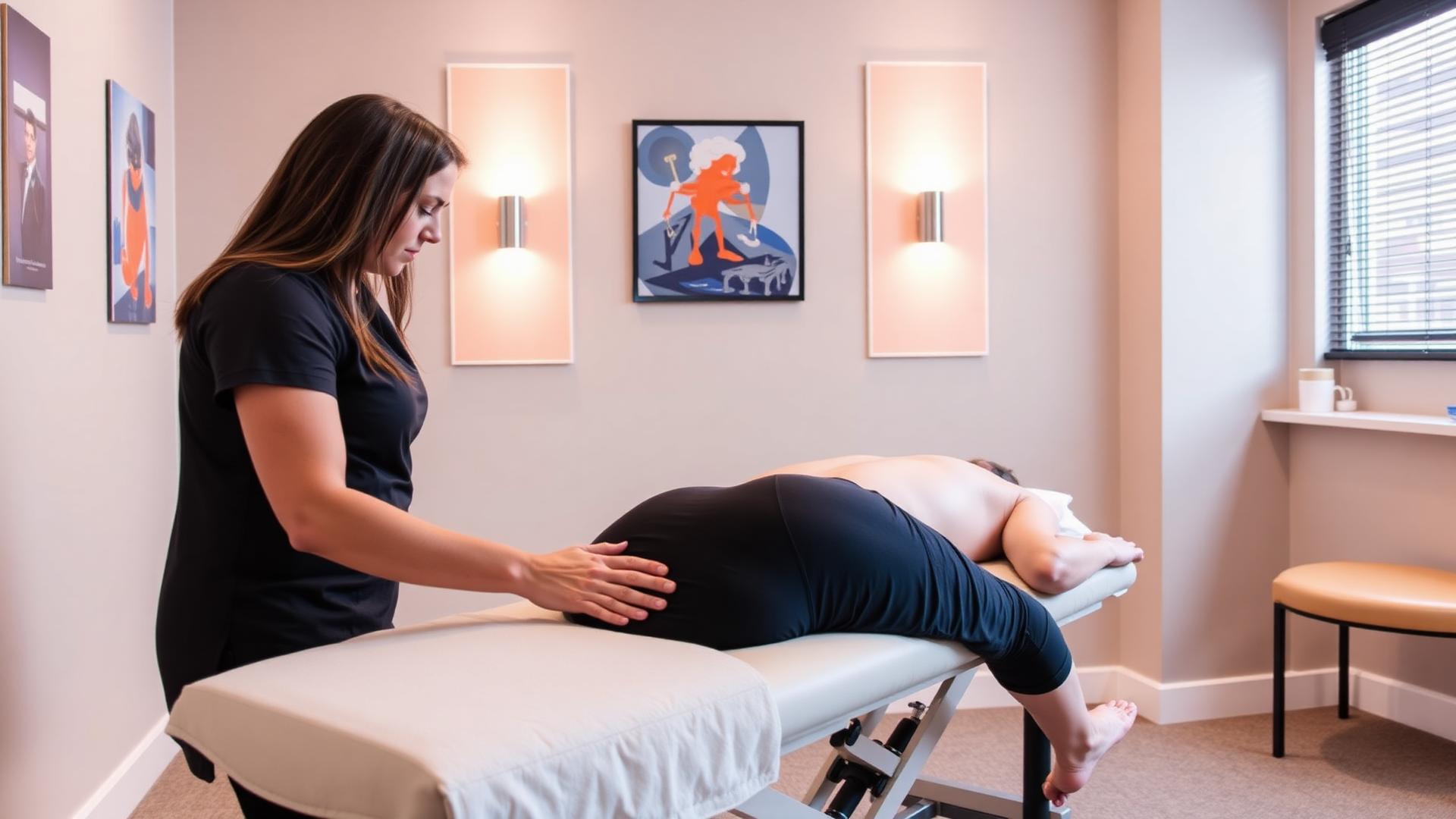
Dry needling uses fine needles inserted into selected tissues, usually to address muscle-related pain. It is not an injection and does not contain medicine. It may be discussed as an optional part of osteopathy after assessment. The choice should depend on your condition, preferences and the practitioner’s relevant training. At Osteopath Mitcham within Lifestyle Essentials, we use your assessment to discuss suitable osteopathic care and the next steps.
Will needles remove the cause of pain?
Not necessarily. Some evidence supports short-term pain relief for certain musculoskeletal conditions, but results vary and lasting benefits are uncertain. A tender muscle does not prove it is the sole cause of symptoms. Needling cannot repair a torn tendon or relieve every source of nerve pain.
What risks should I discuss first?
Soreness, bleeding, bruising and feeling faint can occur. Infection and injury to deeper structures are uncommon but possible; a punctured lung is a rare serious risk around the chest. Disclose medicines, bleeding disorders, pregnancy and relevant medical conditions. Ask about benefits, risks and alternatives before giving consent.
What if I prefer not to have needles?
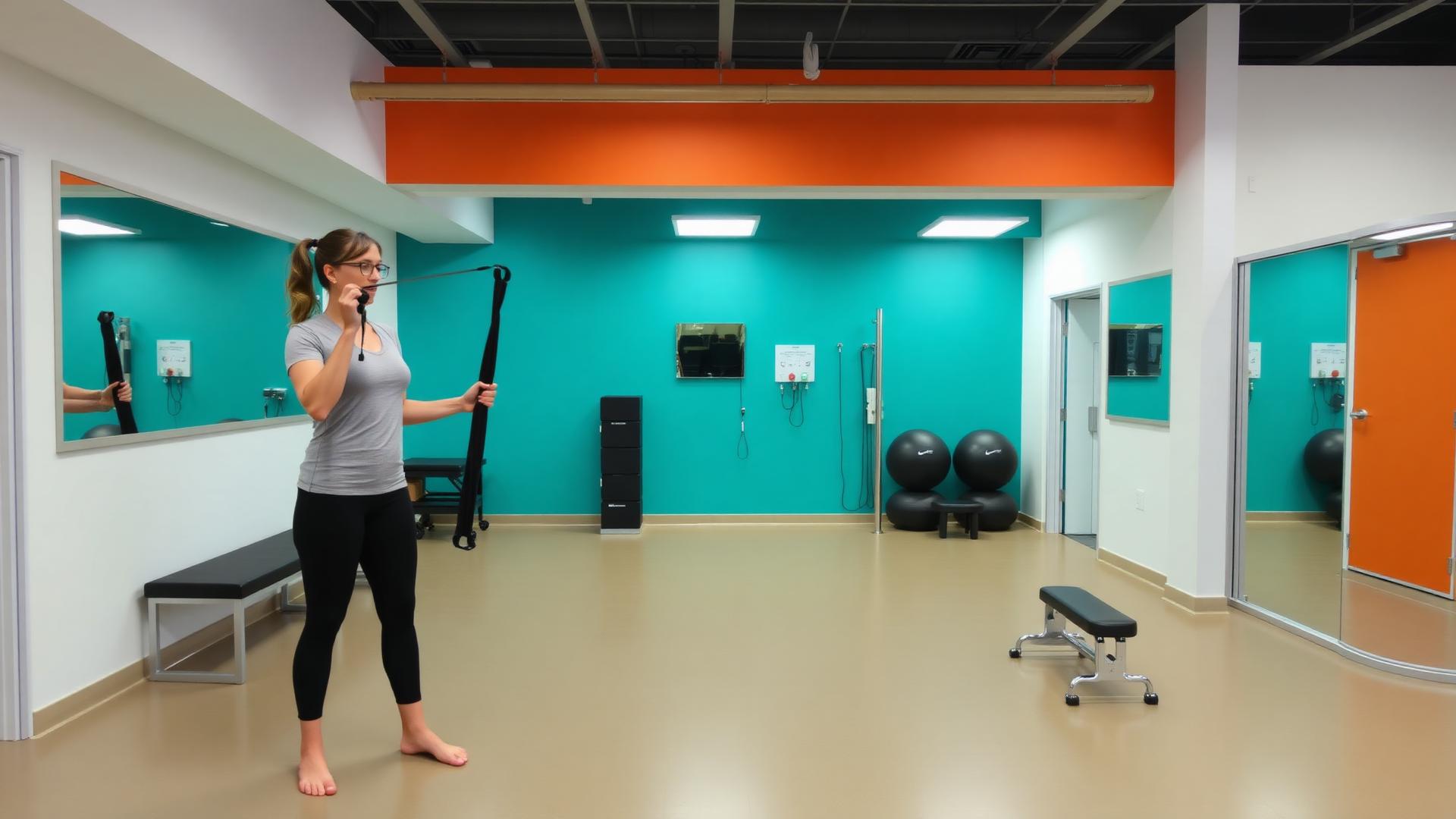
You can decline needling or withdraw consent during treatment. Depending on your assessment, alternatives may include movement advice, exercise rehabilitation or non-needle manual techniques. There is no requirement to tolerate needles to benefit from osteopathic care. Ask how progress will be measured without assuming a particular technique is essential.
What should I do afterwards?
Follow your practitioner’s advice and use comfortable movement rather than testing the area with unusually heavy exercise. Report persistent or worsening pain. New chest pain or shortness of breath after needling requires urgent medical assessment, even if it develops later. Do not wait for another appointment to discuss those symptoms.
Book an osteopathic assessment
Our Mitcham osteopaths can talk you through your own presentation and build a plan tailored to you.
Explore dry needling in osteopathy and our osteopathy toolkit →