


Chronic Back Pain: Long-Term Management That Works
Living with ongoing back pain: what persistent pain means, how to stay active, and the realistic role of osteopathy.
Explore osteopathy services for back pain →Does ongoing back pain mean something is badly wrong?
Persistent back pain can be distressing, but long duration does not automatically mean serious damage. In many cases pain continues because the nervous system becomes more sensitive, not because a structure is being further harmed. That said, ongoing symptoms deserve proper assessment so treatable causes are not missed. Your osteopath can review your history and, where appropriate, discuss referral. At Osteopath Mitcham within Lifestyle Essentials, we use your assessment to discuss suitable osteopathic care and the next steps.
What does managing persistent pain actually involve?
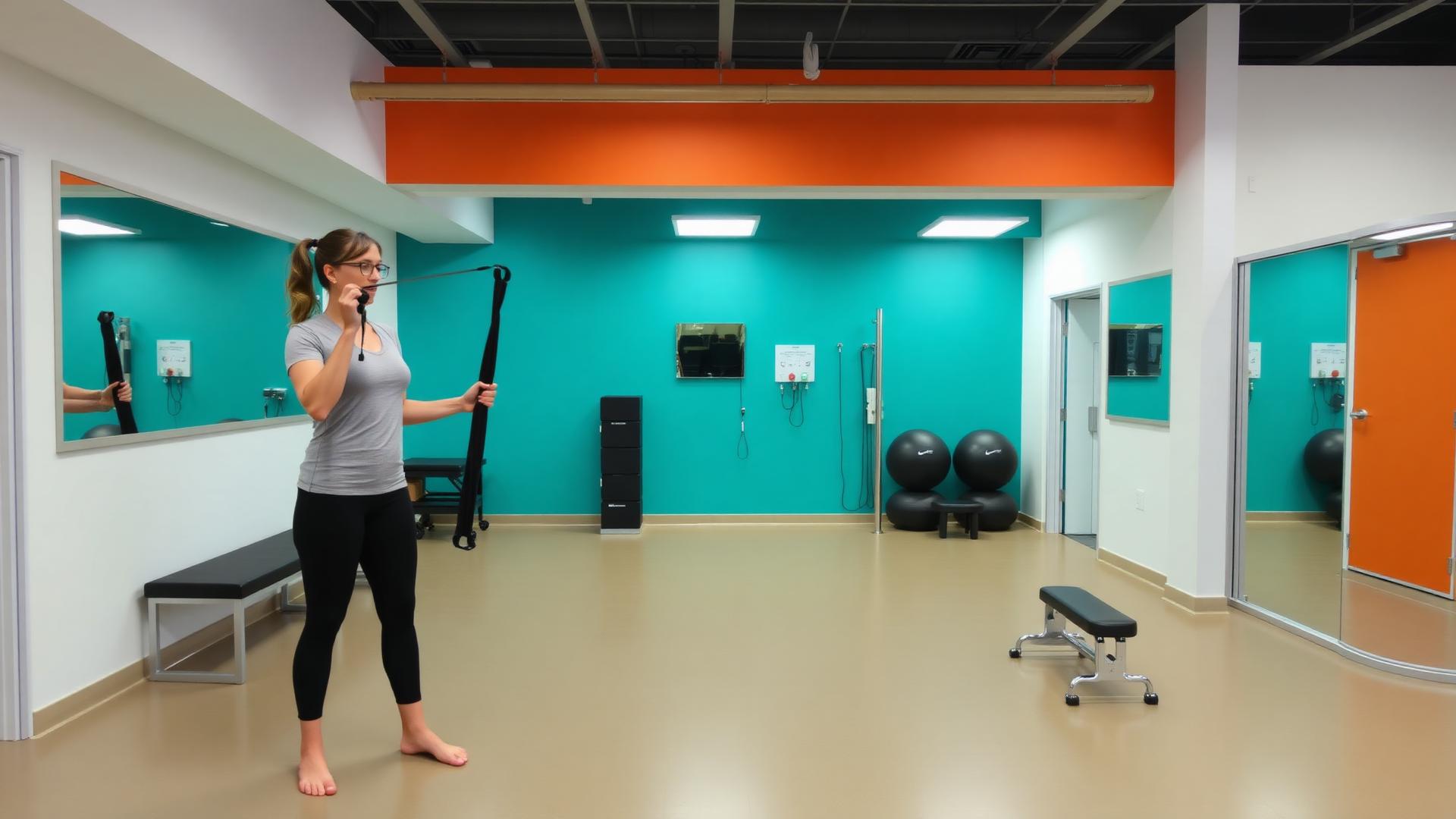
The most useful approach is usually multi-pronged: graded activity, building strength and confidence, better sleep, and attention to stress and mood where relevant. Flare-ups are normal and do not mean you are back at square one. Having a simple plan for flare-ups, such as keeping gently moving and adjusting activity for a short period, can reduce their impact. Consistency over months matters more than any single treatment.
Can osteopathy help long-term back pain?
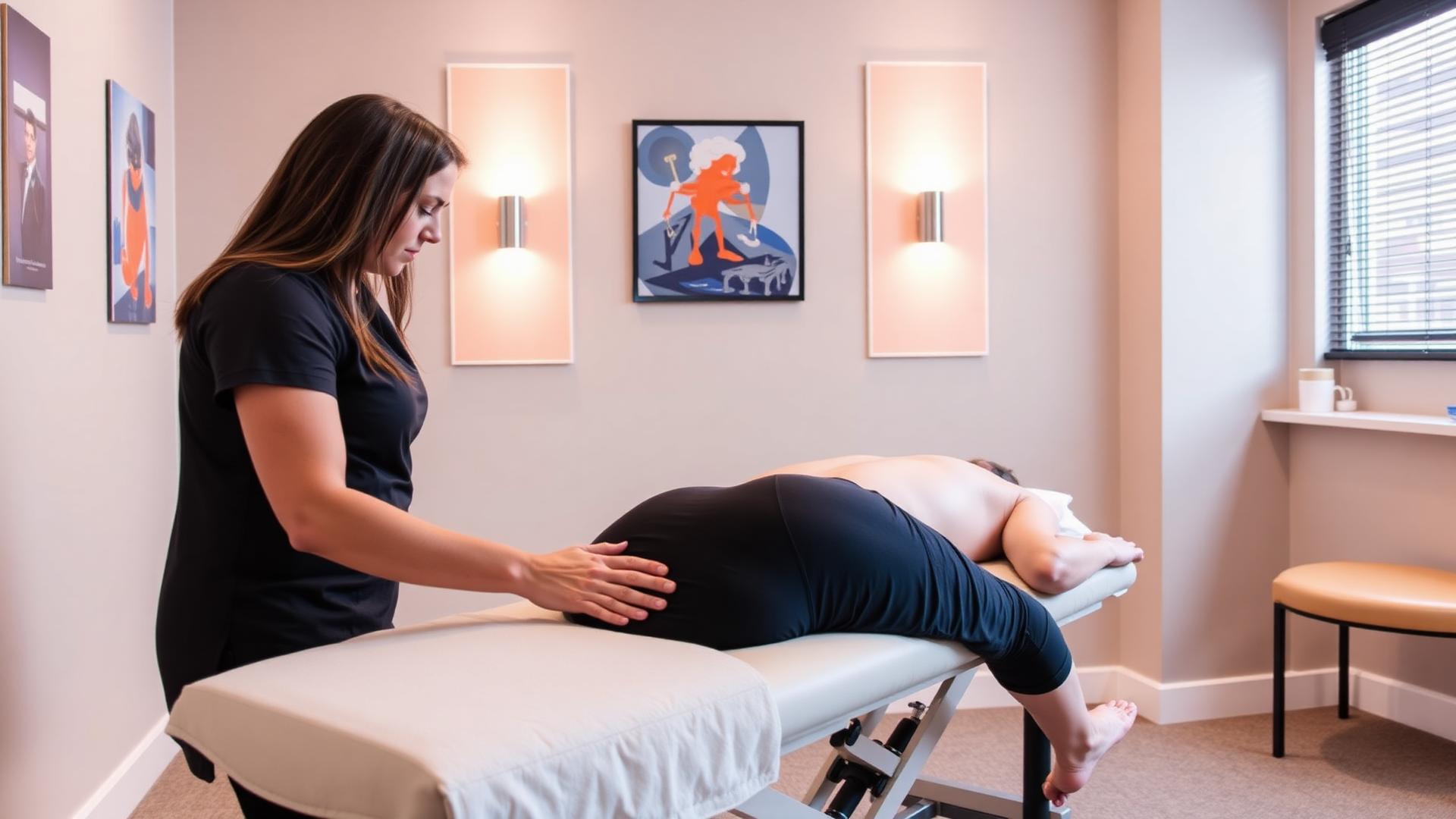
Manual therapy may offer short-term relief for some people, and some find it useful alongside an active plan. It does not permanently fix the spine, and relying on passive treatment alone rarely produces lasting change. Osteopathy cannot cure persistent pain or guarantee prevention of flare-ups. Use it as one part of a broader plan, and be wary of anyone promising a complete cure.
What should I track to see progress?
Track function rather than pain alone: can you walk further, sit longer, sleep better or return to a valued activity? Weekly averages are more meaningful than day-to-day swings. Bring these notes to appointments so care can be adjusted based on evidence from your real life. Progress in persistent pain is often gradual, and that is normal.
When is a different approach needed?
Seek urgent care for new bladder or bowel control problems, numbness around the genitals or anus, or new significant leg weakness. Call 000 for an emergency. If pain is getting worse over months, you are losing function, or you feel low or hopeless about it, tell your doctor. A GP can help coordinate medical, psychological and allied health support when needed.
Further reading
Book an osteopathic assessment
Our Mitcham osteopaths can talk you through your own presentation and build a plan tailored to you.
Explore osteopathy services for back pain →