

Step 2: Hands-On Osteopathic Treatment and Your Choices
Patient questions about hands-on osteopathy, consent, soreness and reviewing whether treatment is useful.
Explore assessment, treatment and rehabilitation services →What hands-on treatment might be offered?
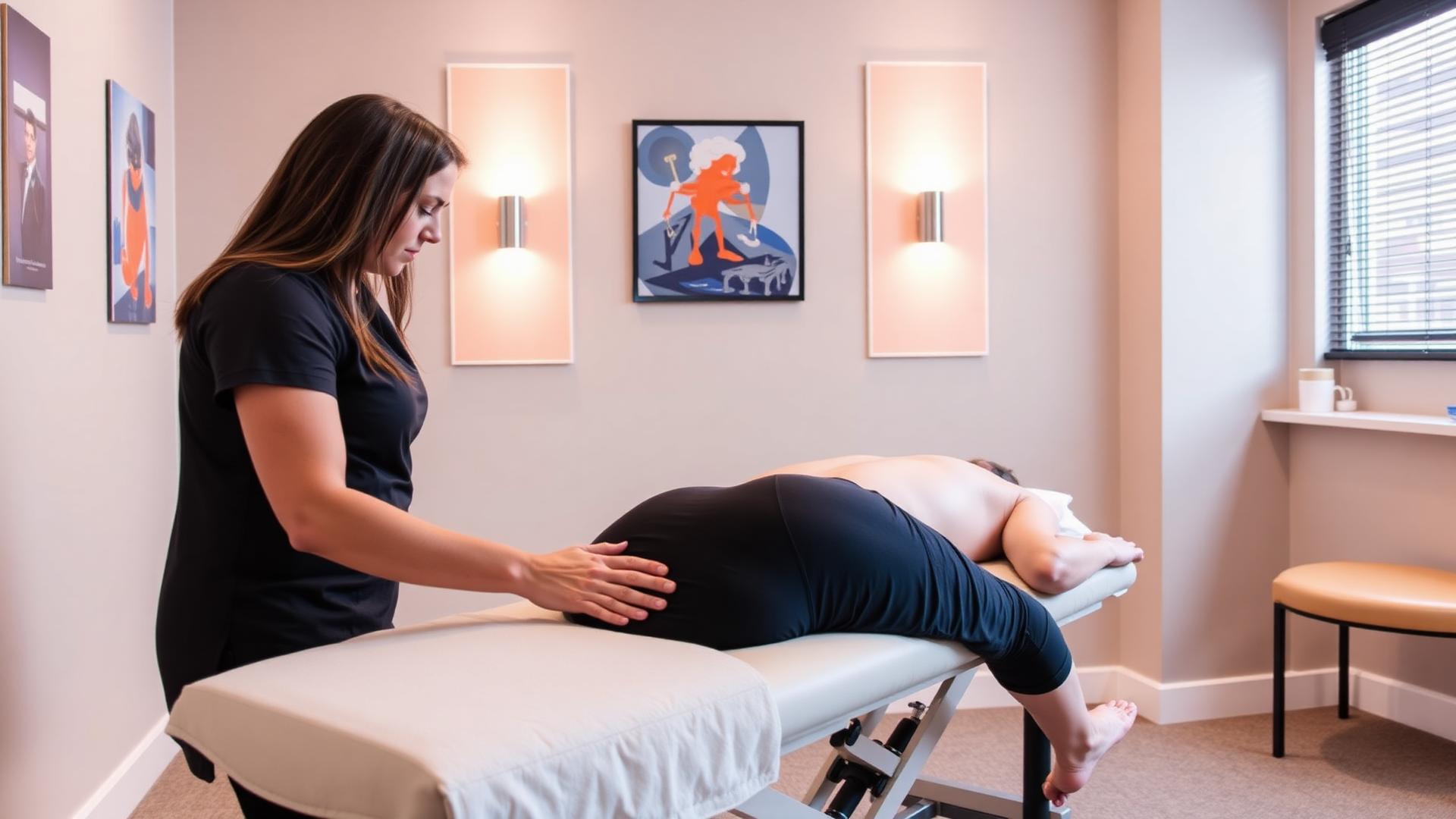
After assessment, your osteopath may discuss soft tissue work, mobilisation or other techniques suited to your symptoms. Not every patient needs manual therapy, and preferences matter. Ask why a particular approach is suggested and what alternatives exist. The aim is to support comfort and useful function, not to correct a presumed universal misalignment. At Osteopath Mitcham within Lifestyle Essentials, we use your assessment to discuss suitable osteopathic care and the next steps.
Does effective treatment have to hurt?
No. You should be able to communicate discomfort and request a change or stop. Pressure and positioning should be adapted to your health and symptoms. Pain during treatment is not proof that a technique is working. Needle-based treatment or manipulation requires a specific explanation of relevant benefits, risks and alternatives.
What benefits are realistic?
Some people experience short-term relief or easier movement, while others notice little change. Manual therapy cannot guarantee permanent relief, structural repair or recovery by a set date. Evidence varies by technique and condition. Use practical goals to decide whether it is useful rather than relying only on immediate sensations during an appointment.
What should I do if I feel sore afterwards?
Follow the agreed advice and use tolerable daily movement. Tell your practitioner about prolonged soreness or reduced function so the approach can be reviewed. Severe worsening pain, new weakness, significant swelling or other concerning symptoms need prompt medical assessment. Do not assume every reaction is a normal or necessary part of healing.
When do we move to rehabilitation?
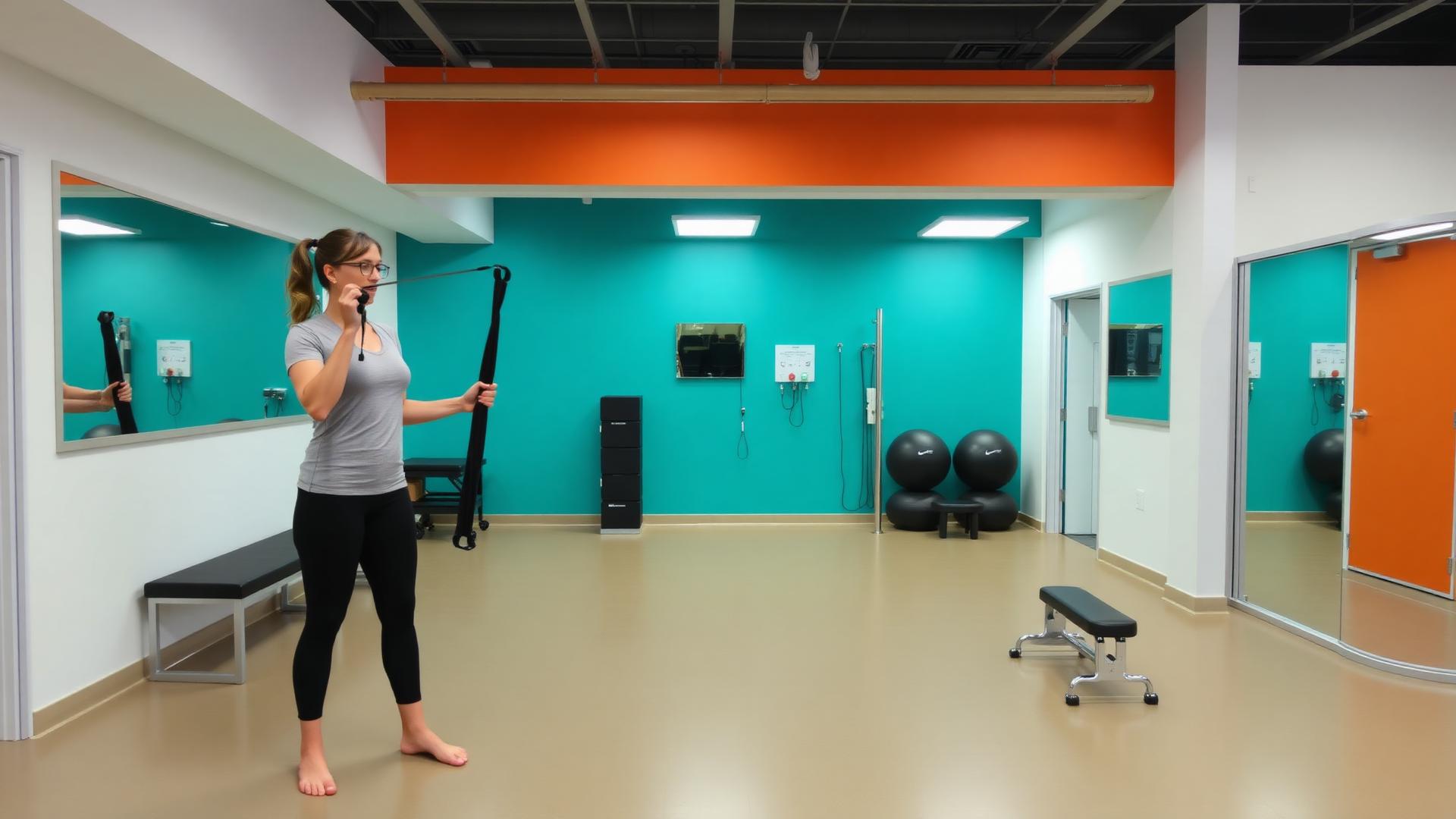
Exercise and activity advice may begin alongside symptom management rather than waiting for pain to disappear. Our 4 step process allows overlap and individual changes. If hands-on care is not improving your goals, discuss reducing it, changing the plan or seeking referral. The longer-term aim is confidence and independence, not dependence on appointments.
Book an osteopathic assessment
Our Mitcham osteopaths can talk you through your own presentation and build a plan tailored to you.
Explore assessment, treatment and rehabilitation services →