
Osteopathy vs Physiotherapy: What's the Difference?
Osteopathy treatment and physiotherapy overlap — but they're not the same. Here's how a Mitcham osteopath explains the difference.
Two respected professions, two different lenses
Osteopathy and physiotherapy are both university-trained, government-registered allied health professions. Both help people recover from injury, manage chronic pain and return to the things they love. Patients often ask us at Osteopath Mitcham which they should see — and the honest answer is that the two work brilliantly together. What differs is the lens each profession uses and the tools they lean on. Understanding the difference helps you choose the right starting point for your presentation, or combine osteopathy treatment and physiotherapy for a faster, more complete recovery.
The osteopathic approach
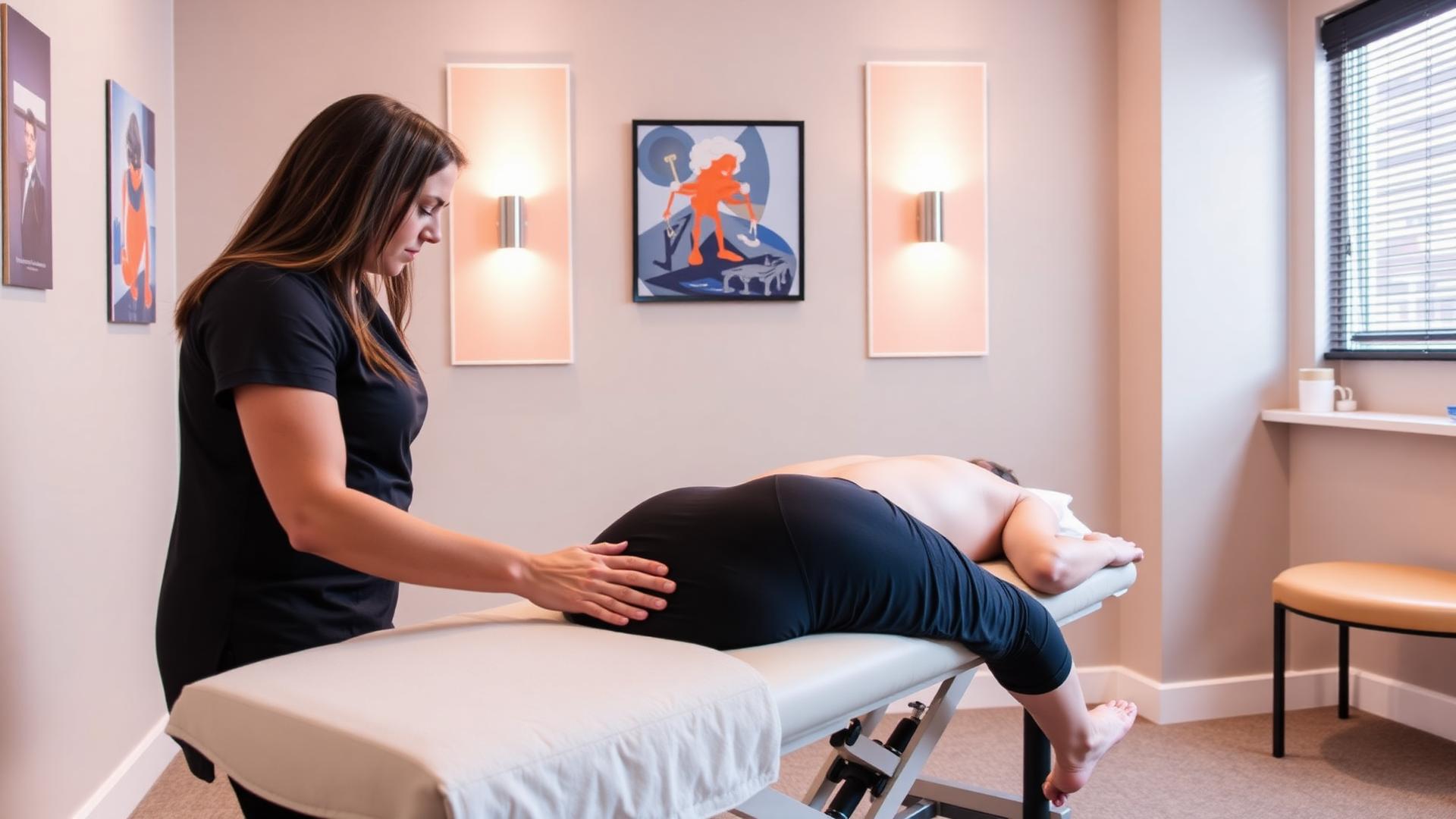
Osteopathy is a hands-on, whole-body form of manual healthcare. Osteopaths complete a five-year Bachelor and Master's degree and are trained to view the body as a single interconnected system. A sore right shoulder might trace back to an old ankle sprain that changed the way you load through your hips and thoracic spine. Osteopathy treatment therefore combines detailed postural and functional assessment with a wide manual-therapy toolkit — soft tissue work, myofascial release, joint mobilisation, counterstrain, dry needling, cupping and gentle articulation. We finish every session with targeted rehabilitation exercises, but the emphasis is on releasing the drivers of your pain by hand so movement and exercise actually stick.
The physiotherapy approach
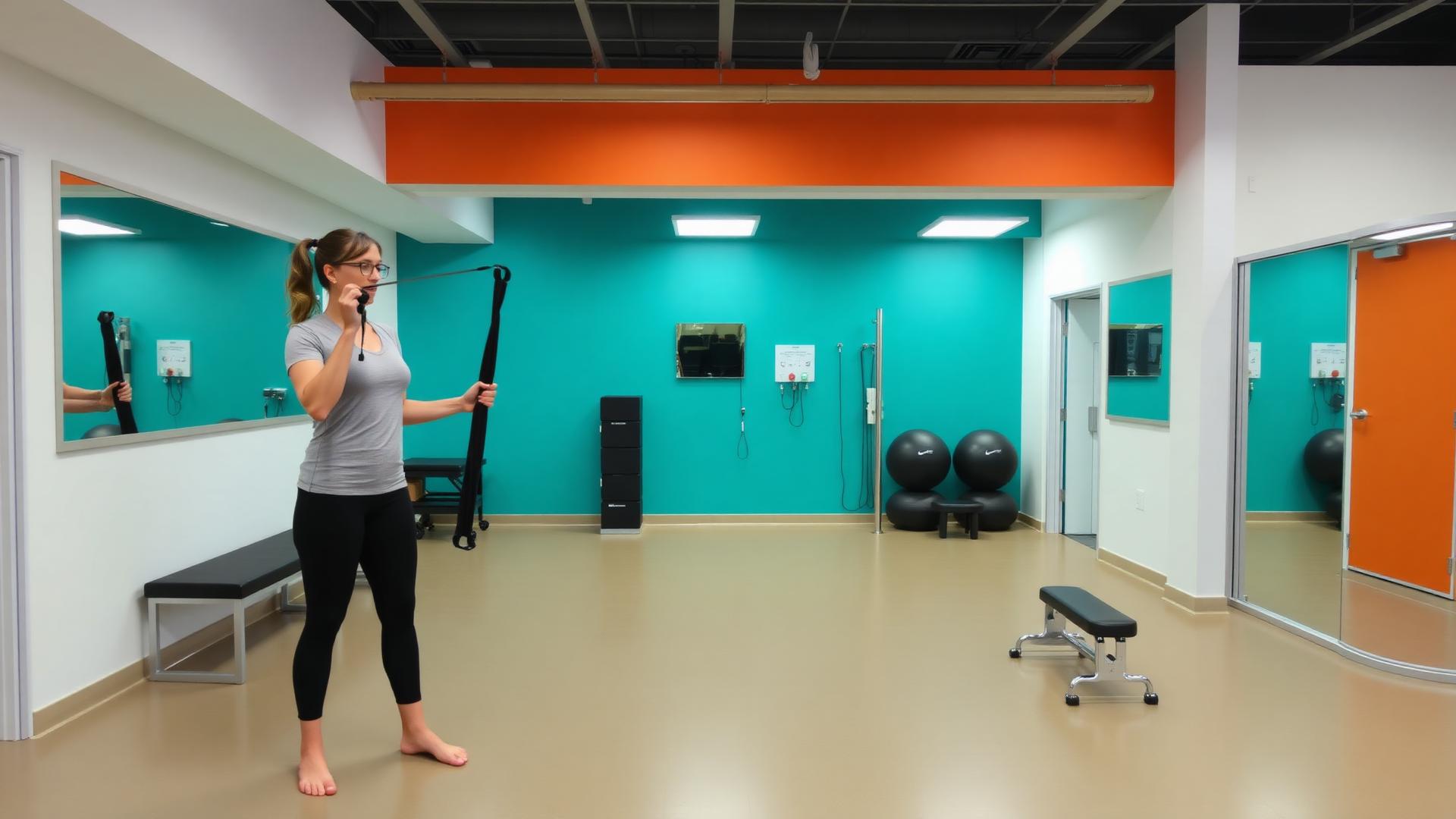
Physiotherapy shares much of the same evidence base and scope, but historically leans more heavily on exercise prescription, progressive loading and clinical rehabilitation — particularly in hospital, post-operative and elite-sport settings. Physios are experts at graded strength programs, gait retraining after surgery, respiratory rehab, neurological rehab and return-to-play testing. Manual therapy is part of their toolkit, but the balance typically sits further toward active care than hands-on care. If you are two weeks post-ACL reconstruction and need a structured strength progression, physiotherapy is a natural fit.
How to choose — or combine — the two
In practice, the choice is less about the label on the door and more about the specific clinician and your stage of recovery. Osteopathy treatment tends to shine when: pain is driven by longstanding tension patterns; you don't tolerate aggressive exercise yet; multiple regions are contributing; or you feel you've been given exercises but never had the tissue quality addressed. Physiotherapy tends to shine when you have a clear surgical rehab protocol to follow, need structured return-to-sport testing, or thrive on gym-based loading programs. Many of our Mitcham osteopaths co-manage patients with local physios, especially through post-surgical rehab, chronic back pain and sports injuries.
The bottom line
Both professions are safe, effective and evidence-based. Osteopathy treatment offers a distinctly hands-on, whole-body pathway that suits patients who want their tissues assessed and treated — not just exercised. If you're unsure, book an osteopathic assessment and we'll tell you honestly whether osteopathy, physiotherapy or a combination will get you back to living life fastest. Osteopath Mitcham — hands-on osteopathy at Lifestyle Essentials, 503 Whitehorse Road, Mitcham.
Book an osteopathic assessment
Our Mitcham osteopaths can talk you through your own presentation and build a plan tailored to you.